How to Meditate Properly (Step-by-Step Guide for Beginners)
Meditation is often seen as something complex or difficult—but in reality, it’s one of the simplest practices you can learn. The challenge isn’t meditation itself; it’s understanding how to do it properly and consistently.
Many beginners feel confused:
- “Am I doing it right?”
- “Why can’t I stop my thoughts?”
- “How long should I meditate?”
If you’ve had these questions, you’re not alone.
This step-by-step guide will show you exactly how to meditate properly, even if you’re a complete beginner. By the end, you’ll have a clear, simple method you can follow every day.
What Does “Meditate Properly” Mean?
Meditating properly doesn’t mean:
- Having zero thoughts
- Sitting in a perfect pose
- Feeling calm instantly
Instead, it means:
- Being aware of your thoughts
- Gently bringing your focus back
- Practicing regularly without pressure
There’s no “perfect” meditation—only consistent practice.
Step 1: Choose a Quiet and Comfortable Space
Your environment plays a big role in your experience.
You don’t need a special room—just find a place where:
- You won’t be disturbed
- It feels calm and comfortable
- You can sit quietly for a few minutes
Over time, your brain will associate this space with relaxation.
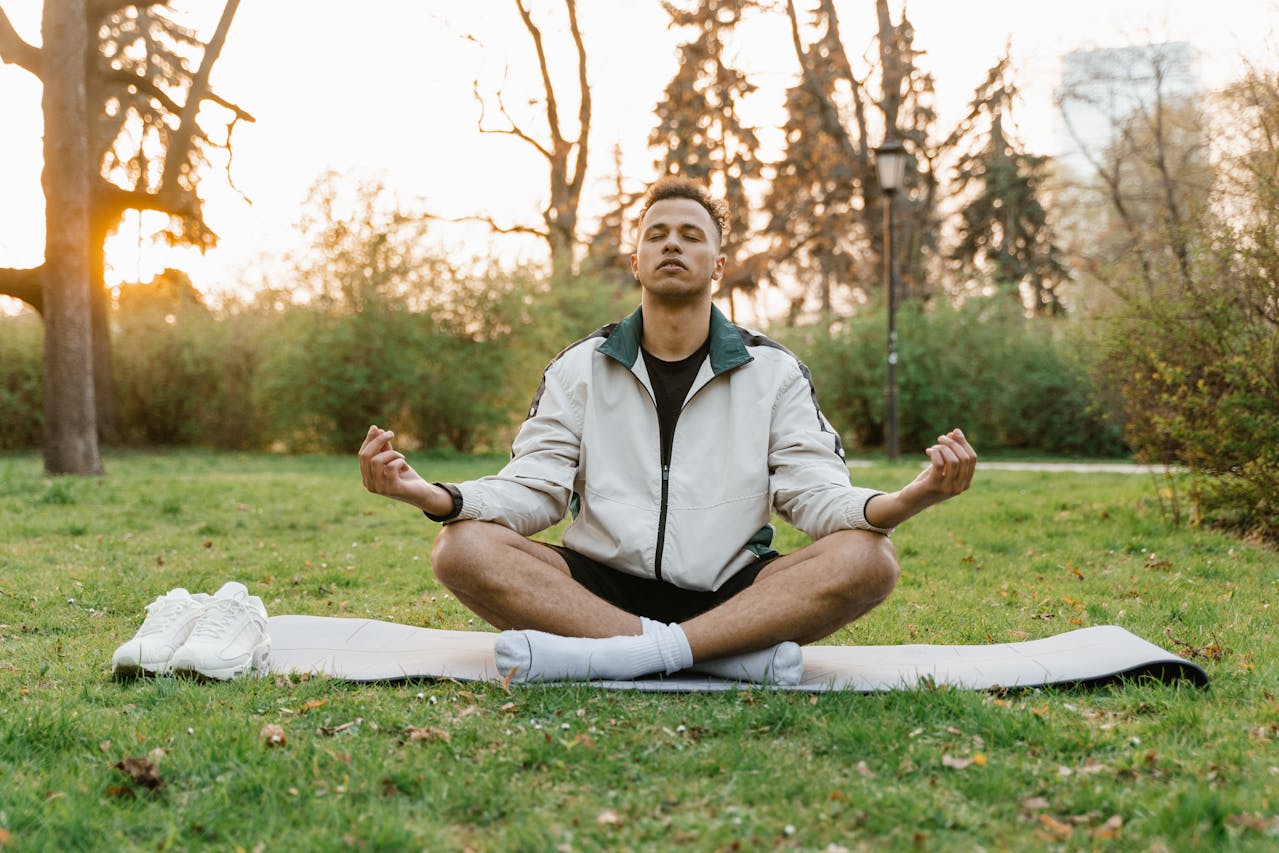
Step 2: Sit in a Comfortable Position
Forget the idea that you must sit in a complicated yoga pose.
You can:
- Sit on a chair
- Sit on the floor
- Use a cushion
Keep your:
- Back straight (but not stiff)
- Shoulders relaxed
- Hands resting comfortably
The goal is to be relaxed but alert.
Step 3: Close Your Eyes or Soften Your Gaze
Closing your eyes helps reduce distractions.
If you’re not comfortable closing them:
- Keep your eyes slightly open
- Focus on a single point
Choose what feels natural.
Step 4: Focus on Your Breath
This is the foundation of meditation.
Bring your attention to:
- The feeling of air entering your nose
- The rise and fall of your chest
- The rhythm of your breathing
Don’t try to control your breath—just observe it.
Your breath is your anchor.
Step 5: Notice When Your Mind Wanders
Your mind will wander—that’s completely normal.
You might start thinking about:
- Work
- Problems
- Random thoughts
When this happens:
- Don’t get frustrated
- Don’t judge yourself
Simply notice it.
Step 6: Gently Bring Your Focus Back
This is the most important part of meditation.
Each time your mind wanders:
- Gently return your focus to your breath
This repeated process:
➡️ Losing focus
➡️ Returning to the breath
…is what trains your mind.
Step 7: Start with a Short Duration
You don’t need long sessions to meditate properly.
Start with:
- 5 minutes a day
- Then increase to 10–15 minutes
Short, consistent practice is more effective than long, irregular sessions.
Step 8: End Your Session Slowly
Don’t rush out of meditation.
Before finishing:
- Take a deep breath
- Notice how you feel
- Slowly open your eyes
This helps you carry the calmness into your day.
Common Mistakes to Avoid
Trying to stop your thoughts
You can’t stop thinking—just observe.
Expecting instant results
Meditation is a gradual process.
Being too strict
Relax. There’s no perfect way.
Giving up too soon
Consistency matters more than perfection.
Tips to Improve Your Practice
Meditate at the Same Time Daily
This builds a strong habit.
Use a Timer
So you don’t keep checking the time.
Stay Comfortable
Discomfort distracts your mind.
Be Patient
Some days will feel better than others.
What You’ll Notice Over Time
With regular practice, you may experience:
- A calmer mind
- Better focus
- Less stress and anxiety
- Improved emotional control
- Greater self-awareness
These changes happen slowly—but they last.
Why Many People Think They’re “Doing It Wrong”
Most beginners believe:
“If my mind is wandering, I’m failing.”
But in reality:
Noticing your thoughts = success
Returning to your breath = progress
Meditation is not about perfection—it’s about awareness.
Meditation is simple—but mastering it takes patience.
You don’t need special skills, long hours, or a perfect mindset.
All you need is:
- A few minutes
- A quiet space
- A willingness to practice
Start small, stay consistent, and trust the process.
The more you practice, the easier it becomes.