Beginner’s Guide to Meditation (How to Start and Stay Consistent)
In today’s fast-moving world, our minds are constantly busy—thinking, worrying, planning, and reacting. This mental noise often leads to stress, anxiety, and lack of focus.
Meditation is a simple yet powerful practice that helps calm your mind, improve focus, and bring inner peace. The best part? Anyone can do it—no special skills or experience required.
If you’ve ever wanted to start meditation but didn’t know how, this beginner-friendly guide will walk you through everything you need to know.
What Is Meditation?
Meditation is the practice of focusing your attention and becoming aware of your thoughts without getting lost in them.
It’s not about stopping your thoughts—it’s about observing them calmly.
Through regular practice, meditation helps you:
- Reduce stress
- Improve concentration
- Gain emotional clarity
- Feel more relaxed and balanced
Why Meditation Works
Your mind is often overloaded with thoughts.
Meditation works by:
- Slowing down mental activity
- Reducing overthinking
- Activating your body’s relaxation response
Over time, it trains your brain to stay calm even in stressful situations.
How to Start Meditation (Step-by-Step)
Starting meditation is easier than you think.
Find a Quiet Space
Choose a place where you won’t be disturbed.
It doesn’t have to be perfect—just somewhere comfortable and calm.
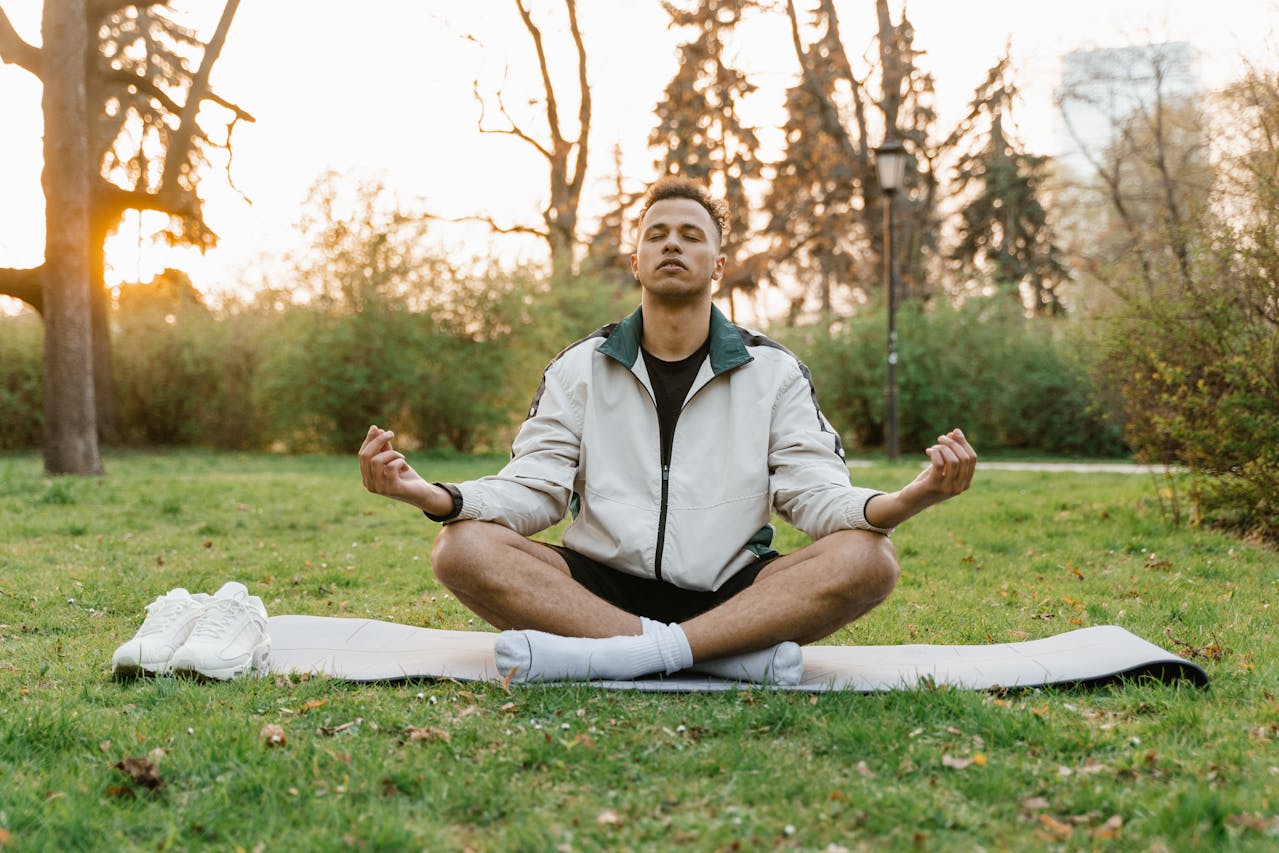
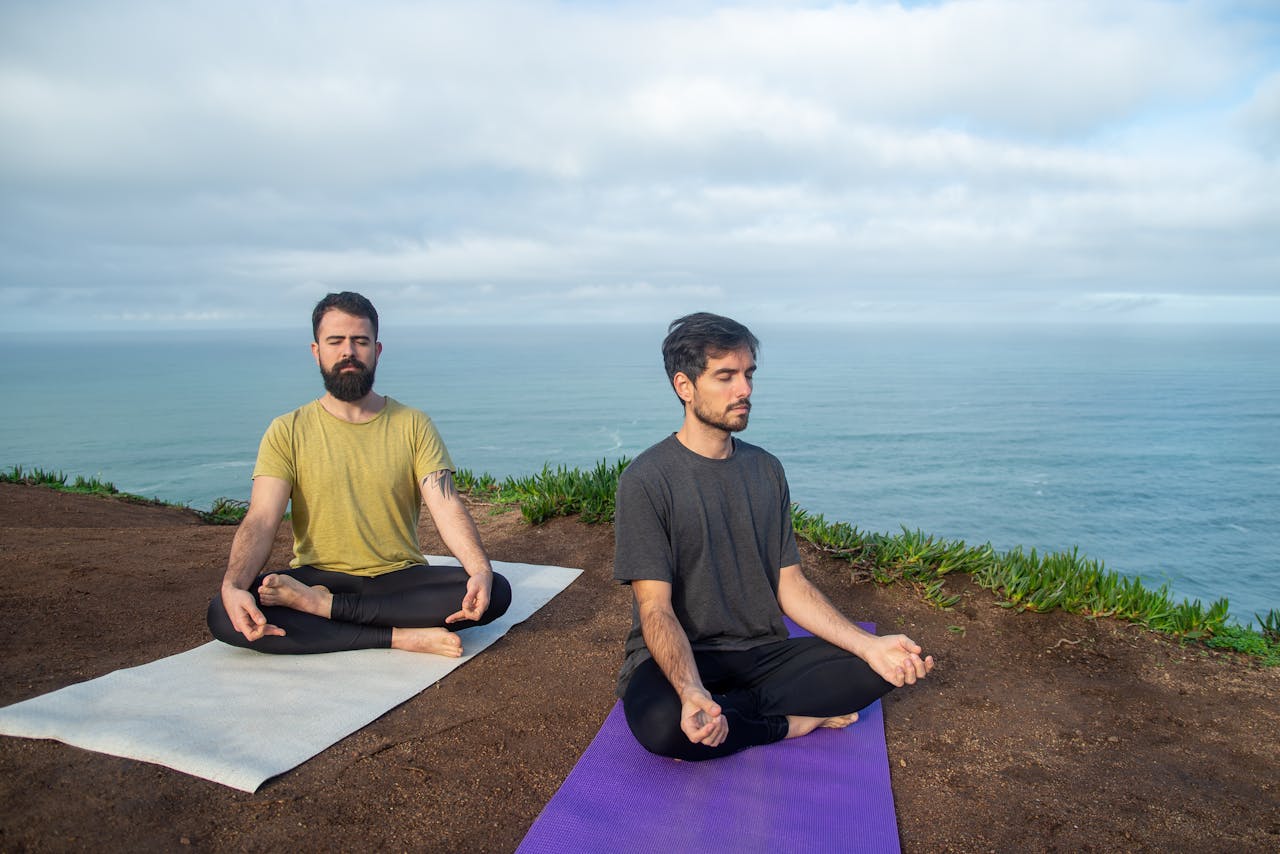
Sit Comfortably
You don’t need to sit in a complicated pose.
You can:
- Sit on a chair
- Sit on the floor
- Keep your back straight but relaxed
Comfort is more important than posture.
Focus on Your Breath
Close your eyes and bring your attention to your breathing.
Notice:
- The air going in
- The air going out
Don’t try to control it—just observe.
Let Thoughts Come and Go
Your mind will wander—that’s normal.
When it happens:
- Don’t get frustrated
- Gently bring your focus back to your breath
This is the core of meditation.
Start Small
You don’t need long sessions.
Begin with:
- 5 minutes a day
- Then slowly increase to 10–15 minutes
Consistency matters more than duration.
Best Time to Meditate
You can meditate anytime, but these are ideal:
- Morning: Helps start your day calmly
- Evening: Helps release stress
Choose a time that fits your routine.
Common Beginner Mistakes
Avoid these common mistakes:
Expecting instant results
Meditation takes time. Be patient.
Trying to stop thoughts
You can’t stop thinking—just observe.
Being too strict
Relax. There’s no “perfect” way.
Simple Meditation Technique (Try This Today)
Here’s an easy method:
- Sit comfortably
- Close your eyes
- Inhale slowly
- Exhale slowly
- Focus only on your breath
Do this for 5 minutes.
That’s it.
Tips to Stay Consistent
Starting is easy—staying consistent is the real challenge.
Try these tips:
- Meditate at the same time daily
- Set a reminder
- Keep sessions short and simple
- Don’t skip—just reduce time if needed
Consistency builds the habit.
Benefits You’ll Notice Over Time
With regular meditation, you may experience:
- Less stress and anxiety
- Better focus
- Improved emotional control
- More inner peace
These changes happen gradually—but they are powerful.
Final Thoughts
Meditation is one of the simplest yet most effective ways to improve your mental well-being.
You don’t need perfection.
You just need to start.
Even a few minutes a day can create a big difference over time.
Take a deep breath, sit quietly, and begin your journey today.